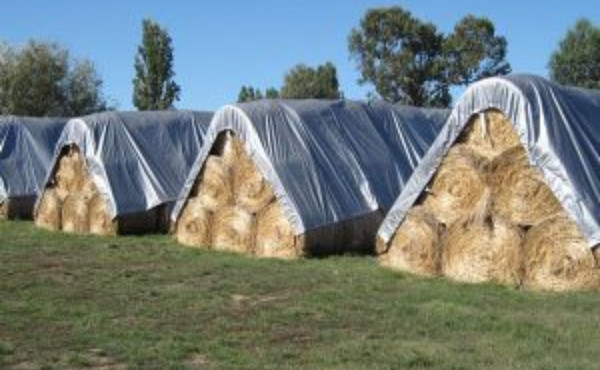
The right insulated tarp thickness depends on the intended use.
A camper needs a lightweight tarp for shelter, while a builder relies on a thicker tarp to protect materials at a job site.
This tarp thickness guide helps people match their needs to the best option. They should consider weather, durability, and how long the tarp must last before deciding.
Tarp Thickness Guide: Understanding Mils
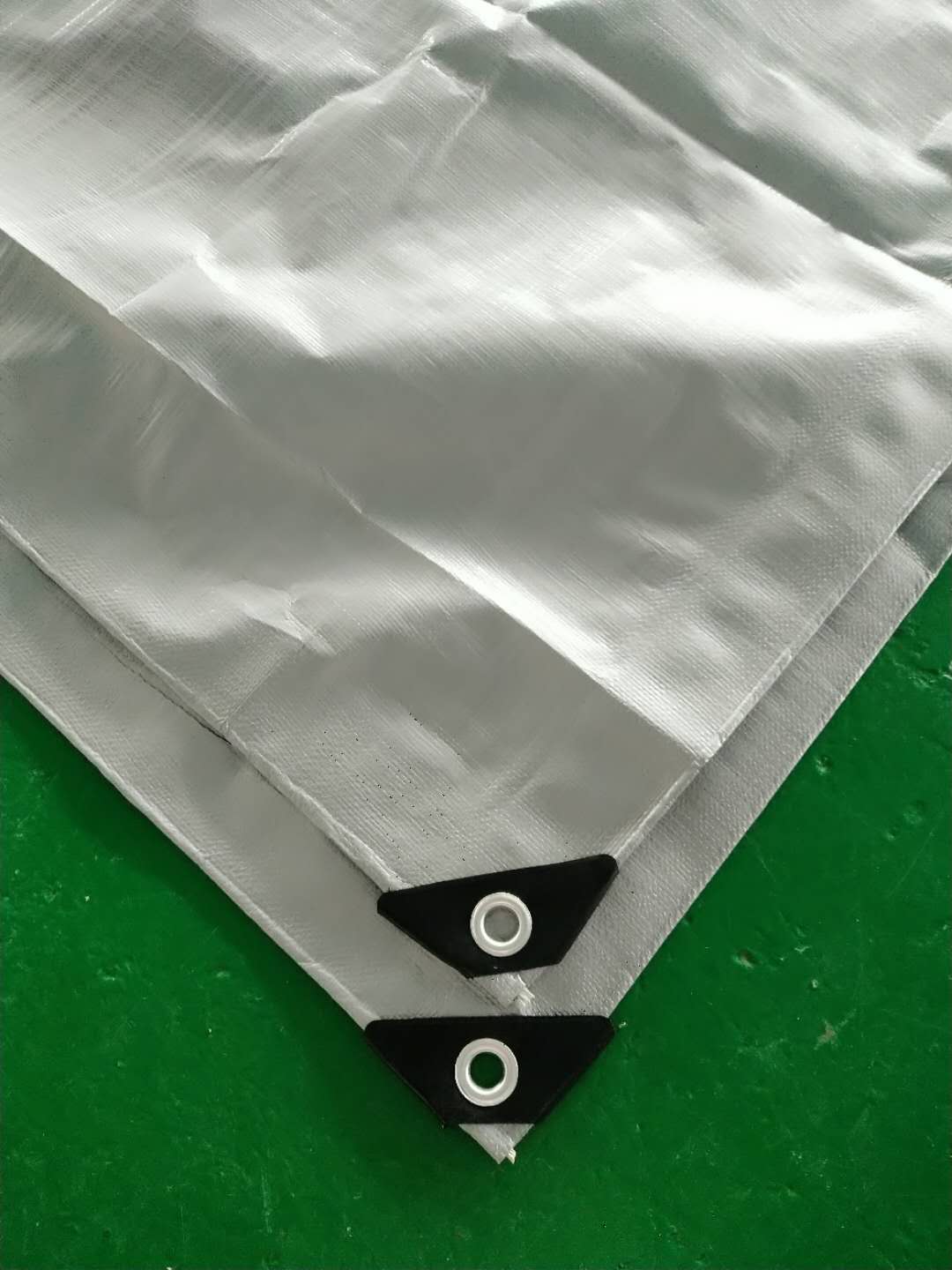
What Is Tarp Thickness?
Tarp thickness describes how thick or thin a tarp feels and performs. People often notice that some tarps feel flimsy while others feel sturdy. This difference comes from the material’s thickness. Thicker tarps usually last longer and protect better against harsh conditions.
Thinner tarps work well for light tasks, such as covering items indoors or providing temporary shelter.
How Mils Measure Thickness
Manufacturers use a unit called a “mil” to measure tarp thickness. One mil equals one-thousandth of an inch (0.001 inch). For example, a tarp with a thickness of 10 mils measures 0.010 inches thick. A 22 mil tarp measures 0.022 inches thick.
This system helps people compare tarps easily. Most packaging or product descriptions list the mil rating. People can use this number to decide if a tarp fits their needs.
Why Thickness Matters
Tarp thickness measurement plays a big role in how well a tarp performs. Thicker tarps resist tears, punctures, and harsh weather better than thin ones. They also last longer when used outdoors or on job sites. However, thicker tarps weigh more and may be harder to fold or carry.
People should think about how they plan to use the tarp. For heavy-duty jobs, a thick tarp offers better protection. For quick or light tasks, a thinner tarp may be easier to handle.
Tarp Thickness Categories
Light-Duty (5-8 mil)
Light-duty tarps fall within the 5-8 mil range. These tarps work best for short-term protection and indoor use. People often use them to cover furniture during painting or shield items from dust.
The thin material makes these tarps easy to fold and carry. Durability remains low, so they may tear if exposed to sharp objects or strong winds. Handling feels simple because the tarp weighs very little.
Medium-Duty (10-12 mil)
Medium-duty tarps measure between 10 and 12 mils in thickness. These tarps offer a balance between weight and strength. Gardeners use them to protect plants or cover soil. Homeowners rely on medium-duty tarps for outdoor furniture or small equipment.
The material resists moderate weather and light abrasion. Handling remains manageable, and the tarp provides better durability than light-duty options.
Heavy-Duty (14-20 mil)
Heavy-duty tarps range from 14 to 20 mils. These tarps serve well for construction sites, vehicle covers, and long-term outdoor storage. The thick material resists tears, punctures, and rough handling. Large heavy-duty tarps protect valuable equipment from rain, wind, and debris. People choose these tarps for demanding jobs that require reliable coverage. Handling becomes more challenging because the tarp weighs more, but the increased durability makes them a popular choice.
- Typical uses for large heavy-duty tarps include:
- Covering machinery
- Protecting building materials
- Creating shelters at campsites
Super Heavy-Duty (21+ mil)
Super heavy-duty tarps start at 21 mils and above. The thick 22 mil tarp stands out as one of the strongest options available. These tarps withstand extreme weather, heavy loads, and constant outdoor exposure. Industrial workers use 22 mil tarps to cover large equipment or secure construction zones.
Choose the Right Tarp for Your Intended Use

Identify Your Intended Use
Every tarp thickness guide begins with one important step. People must identify your intended use before they select a tarp. The environment, the type of project, and the expected duration all influence the decision.
Some users need a tarp for a single weekend, while others require protection for months. The coverage area also matters.
Outdoor Recreation & Camping
Outdoor enthusiasts often look for lightweight tarps that provide shelter and ground cover. For camping, a medium-duty tarp works well for most weather conditions. Campers use tarps to cover tents, create shaded areas, or protect gear from rain.
The coverage area should match the size of the tent or campsite. A tarp thickness guide recommends 10-12 mil tarps for these activities. These tarps balance weight and durability, making them easy to carry and set up. When campers expect harsh weather, they may select a heavier tarp for extra protection.
- Common uses in camping:
- Tent footprint
- Rainfly or shelter
- Gear cover
Home & Garden Projects
Homeowners and gardeners use tarps for many tasks. They cover plants, shield outdoor furniture, and protect patios during painting. The coverage area depends on the size of the garden or the furniture.
Light-duty tarps work for short-term indoor projects, while medium-duty tarps suit outdoor jobs. For larger gardens or patios, users may need to select a tarp with a bigger tarp size. Choosing the right tarp ensures plants and surfaces stay safe from weather and debris.
Note: For garden beds or patio furniture, a medium-duty tarp offers enough strength without being too heavy.
Construction & Renovation
Construction workers rely on heavy-duty tarps to protect building materials and workspaces. These tarps must withstand rough handling, sharp tools, and changing weather. The coverage area often includes stacks of lumber, machinery, or entire sections of a job site. A tarp thickness guide suggests using 14-20 mil tarps for most construction needs.
For the most demanding jobs, workers choose 22 mil tarps. These provide maximum durability and resist tears. When comparing 22 mil tarps with other thicknesses, the thicker option lasts longer and shields valuable equipment better.
- Common applications for 22 mil tarps:
- Covering scaffolding
- Securing construction zones
- Protecting heavy machinery
Storage & Equipment Covers
People use tarps to cover vehicles, boats, and outdoor equipment. The coverage area must fit the item’s dimensions. For long-term storage, heavy-duty or super heavy-duty tarps work best. These tarps resist moisture, UV rays, and abrasion.
Choosing the right tarp for storage means checking both the tarp size and the thickness. Many users select 22 mil tarps for large equipment because they offer strong protection and last through multiple seasons.
Tip: Measure the coverage area before buying. This ensures the tarp fits and provides complete coverage.
Industrial Applications
Industrial sites require the toughest tarps available. Workers use super heavy-duty tarps to cover large machinery, secure hazardous materials, and shield outdoor workspaces. The coverage area can be very large, so selecting the right tarp size is essential. In these settings, 22 mil tarps stand out for their strength and longevity.
How to choose the best large heavy-duty tarp depends on the specific job and the environment. Industrial users often rely on a tarp thickness guide to match the right tarp to each application. Choosing the right tarp for industrial use means prioritizing durability and coverage area above all else.
Key Factors When Choosing Tarp Thickness
Durability & Longevity
Durability stands out as a top concern in any tarp thickness guide. Thicker tarps, such as 22 mil tarps, resist tears and punctures better than thinner options. People who need long-term protection for equipment or outdoor spaces often select custom-made tarps with reinforced edges.
The key features of a 22 mil tarp include high resistance to abrasion and extended lifespan. Maintaining and extending the life of a 22 mil tarp involves regular cleaning and storing it away from direct sunlight when not in use. Custom-made tarps offer extra durability for unique projects.
Weight & Handling
Weight affects how easily someone can move and install a tarp. Heavy-duty tarps, especially 22 mil tarps, provide strong protection but may require more effort to handle. Custom-made tarps can be designed with lighter tarp materials for easier transport.
People who need to cover large areas or move tarps frequently should consider custom-made tarps with manageable weight. Water resistant tarps in lighter thicknesses suit quick tasks, while heavier waterproof tarps work best for stationary coverage.
Weather & UV Resistance
Weather conditions play a major role in tarp selection. 22 mil tarps excel in harsh environments, offering superior protection against rain, wind, and sunlight. Custom-made tarps can include UV-resistant coatings for added longevity. Water resistant tarps shield items from light moisture, while waterproof tarps block heavy rain. People working outdoors should consider custom-made tarps with weatherproof features to protect valuable equipment.
Cost Considerations
Cost influences every decision in a tarp thickness guide. Thicker tarps, like 22 mil tarps, cost more due to their durability and advanced features. Custom-made tarps allow buyers to select specific tarp materials and thickness, balancing price and performance. People should compare the benefits of water resistant tarps and waterproof tarps before investing. Choosing the right tarp means weighing durability, weight, and cost to find the best value.
Tarp Thickness Comparison Table
Quick Reference Chart
Choosing the right tarp thickness becomes easier with a clear comparison. The chart below shows how each category matches common uses, durability, and handling. Readers can use this table to find the best tarp for their needs.
| Tarp Category | Thickness (Mil) | Typical Uses | Durability | Handling |
|---|---|---|---|---|
| Light-Duty | 5-8 | Indoor covers, painting, dust cover | Low | Very easy |
| Medium-Duty | 10-12 | Camping, garden, patio furniture | Moderate | Easy |
| Heavy-Duty | 14-20 | Construction, vehicle covers | High | Moderate |
| Super Heavy-Duty | 21+ | Industrial, long-term storage | Very high | Challenging |
How to use the chart:
- Identify the project or environment.
- Match the intended use to the category.
- Check the durability and handling columns.
- Select the thickness that fits the job.
A gardener may choose a medium-duty tarp for covering plants. A builder often selects a heavy-duty tarp for construction sites. Industrial workers rely on super heavy-duty tarps for maximum protection. Each category serves a different purpose. The chart helps users compare options quickly.
Conclusion
Choosing the right tarp thickness protects equipment and saves money. Each project needs a specific level of durability and ease of handling.
Readers should review the comparison table and consider key factors before buying. Thicker tarps last longer but weigh more and require extra effort to move.
- Match tarp thickness to the job.
- Check durability and handling needs.
- Use the chart for quick decisions.