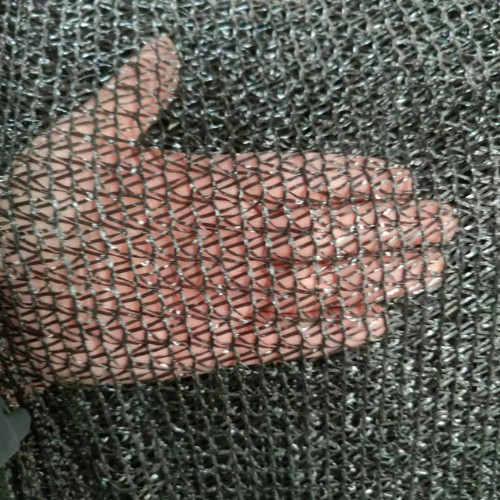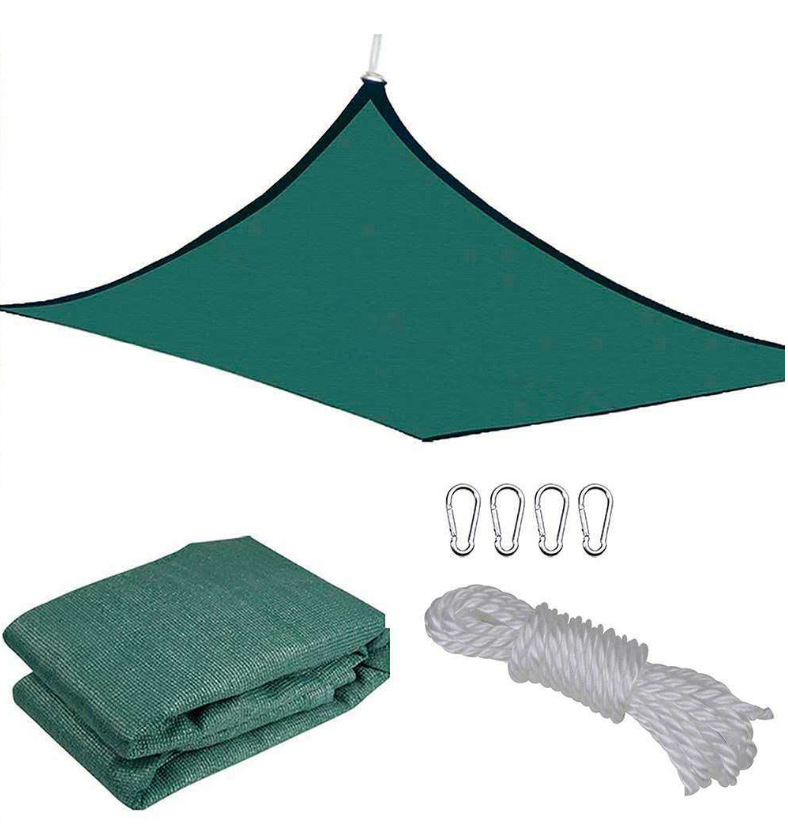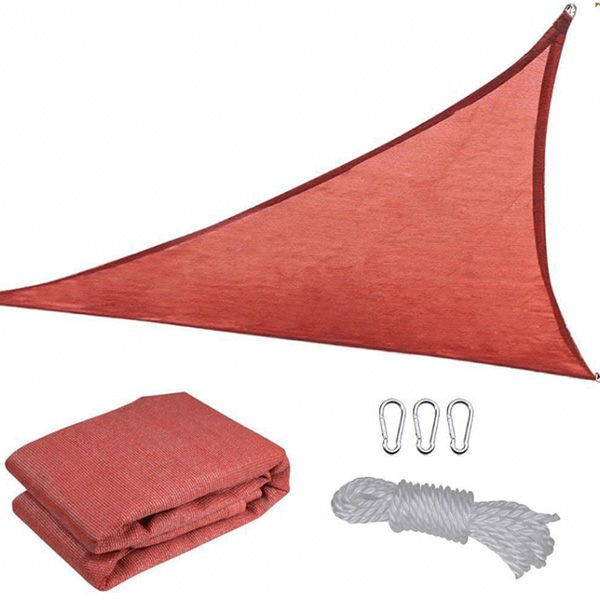
Privacy screens include several types such as wood, metal, vinyl, composite, plastic, living plants, fabric, bamboo, wicker, reed, and heather. Each material offers unique benefits for privacy, style, and durability.
Homeowners select privacy screens to block views, create shade, or add decorative elements to outdoor spaces. The choice depends on the desired look, level of maintenance, and function.
Privacy Screens Overview
What Are Privacy Screens
Privacy screens serve as barriers that block unwanted views and create private spaces. People use privacy screens to separate areas in backyards, patios, and gardens.
These screens also help reduce noise and add decorative elements to outdoor environments. Privacy panels can stand alone or connect to fences and walls. Many homeowners look for privacy screen ideas to improve comfort and style in their outdoor living spaces.
Main Types and Materials
When exploring privacy screen ideas, people find a wide range of materials and styles. Each type offers unique benefits for privacy, durability, and appearance. The main categories include:
| Material | Features | Best Use Cases |
|---|---|---|
| Wood | Natural look, sturdy, customizable | Backyards, patios |
| Metal | Modern, strong, weather-resistant | Urban gardens, balconies |
| Vinyl | Low maintenance, many colors | Fences, pool areas |
| Composite | Durable, eco-friendly | Large privacy barrier projects |
| Plastic | Lightweight, affordable | Temporary privacy panels |
| Living Plants | Green, sustainable, natural | Hedges, green walls |
| Fabric | Flexible, easy to install | Patios, balconies |
| Bamboo | Tropical, renewable | Garden screens |
| Wicker, Reed, Heather | Rustic, lightweight | Decorative privacy panels |
Lattice and trellis systems often use wood, metal, or vinyl. These systems support climbing plants and add visual interest. Many privacy screen ideas combine materials for a custom look. People select privacy panels based on climate, budget, and desired level of privacy. A privacy barrier can be permanent or temporary, depending on the material and installation.
Wood Privacy Screens
Wood Screen Features
Wood privacy screens remain a popular choice for outdoor spaces. Cedar, redwood, and pine offer durability and natural beauty. Cedar resists rot and insects, making it ideal for long-lasting privacy screens.
Redwood provides a rich color and stands up well to moisture. Pine costs less and works for temporary solutions, but it needs regular treatment to prevent decay.
Pros and Cons
Wood privacy screens offer several advantages. They provide a warm, natural appearance that fits many outdoor settings. Wood allows for customization in size, shape, and finish.
Homeowners can easily adjust or repair panels as needed. Wood screens also work well with other materials, such as metal posts or stone bases.
However, wood requires regular maintenance. Owners must seal, stain, or paint the panels to protect against weather damage. Over time, wood may warp, crack, or fade.
In humid climates, screens need extra care to prevent mold and rot. Some privacy screen ideas use treated wood to extend lifespan, but this can increase costs.
| Pros | Cons |
|---|---|
| Natural look | Needs maintenance |
| Customizable | Can warp or crack |
| Supports plants | May fade over time |
| Durable (cedar) | Prone to rot (pine) |
Wood privacy screens suit backyards, patios, and garden areas. They work best for those who want a classic look and enjoy hands-on upkeep. People searching for privacy screen ideas often choose wood for its versatility and timeless appeal.
Vinyl, Composite, and Plastic Privacy Screens
Features of Vinyl and Polyresin
Vinyl and polyresin outdoor privacy screens offer a modern solution for many yards. These materials resist moisture and do not rust. They come in many colors, including white, tan, and gray. Many people choose vinyl for its clean look and smooth finish.
Polyresin shares similar qualities and works well in wet climates. Both materials block views and help create quiet spaces. Vinyl outdoor privacy screens often have slats or lattice designs. These styles allow air to flow while keeping areas private.
Composite and Plastic Options
Composite outdoor privacy screens use a mix of wood fibers and plastic. This blend creates a strong and eco-friendly product. Composite screens look like wood but last longer. They resist fading, cracking, and insects.
Plastic outdoor privacy screens are lightweight and easy to move. People use them for temporary barriers or quick privacy screen ideas. Both composite and plastic options come in many shapes and sizes. Some outdoor privacy screens have panels that snap together for fast setup.
Living and Natural Privacy Screens
Bamboo and Tropical Plants
Bamboo creates a fast-growing living privacy fence. Gardeners plant bamboo in rows to form a dense barrier that blocks views and adds a tropical feel.
Tropical plants such as palms and large-leafed shrubs also work well for privacy screens. These plants thrive in warm climates and provide shade.
Hedges and Green Walls
Hedges offer a classic solution for a living privacy fence. Gardeners use evergreen shrubs like boxwood or holly to create year-round coverage. Hedges need pruning to maintain shape and density. They also require fertilizing and monitoring for pests.
Vertical gardens and green walls provide a modern twist on living privacy screens. These systems use panels or frames filled with plants. Vertical gardens and green walls save space and add greenery to patios or balconies. Maintenance includes watering, checking for healthy growth, and replacing plants as needed.
| Type | Maintenance Level | Sustainability | Best Use Cases |
|---|---|---|---|
| Hedges | Moderate | High | Yards, walkways |
| Vertical gardens | Moderate | High | Walls, balconies |
Wicker, Reed, and Heather Screens
Wicker, reed, and heather screens use natural materials to create lightweight privacy screens. These panels suit decorative purposes and temporary barriers.
Wicker comes from woven plant fibers and offers a rustic look. Reed and heather panels provide texture and blend with gardens. These screens need protection from rain and strong winds. Owners may treat them with sealants to extend lifespan. People select these screens for their eco-friendly qualities and easy installation.
Fabric and Curtain Outdoor Privacy Screens
Indoor vs Outdoor Use
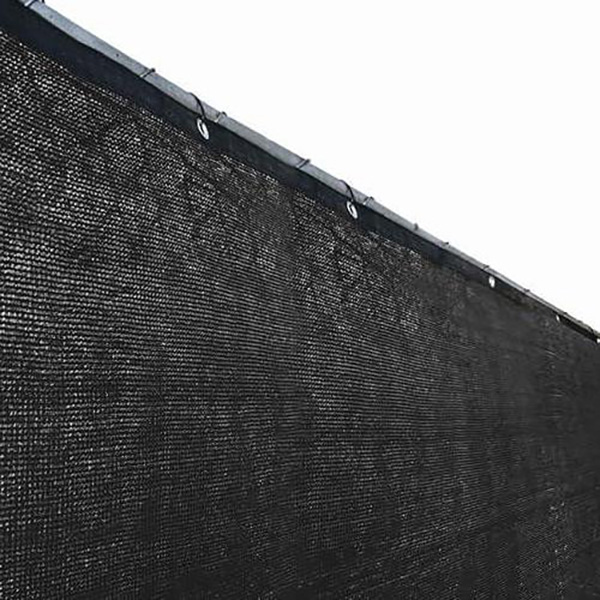
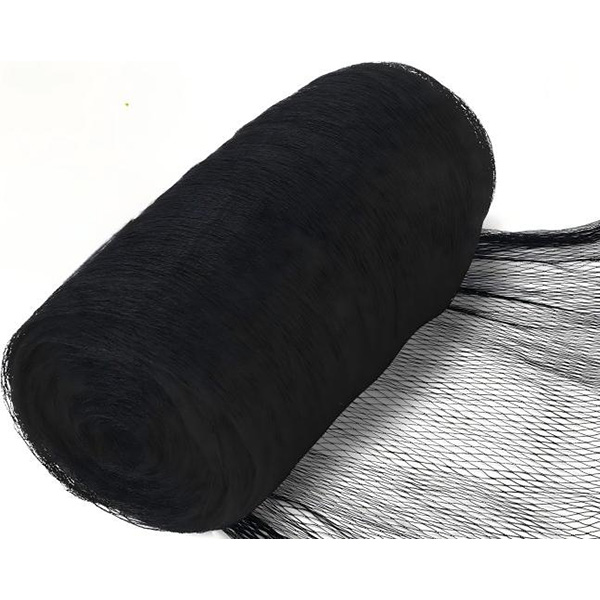
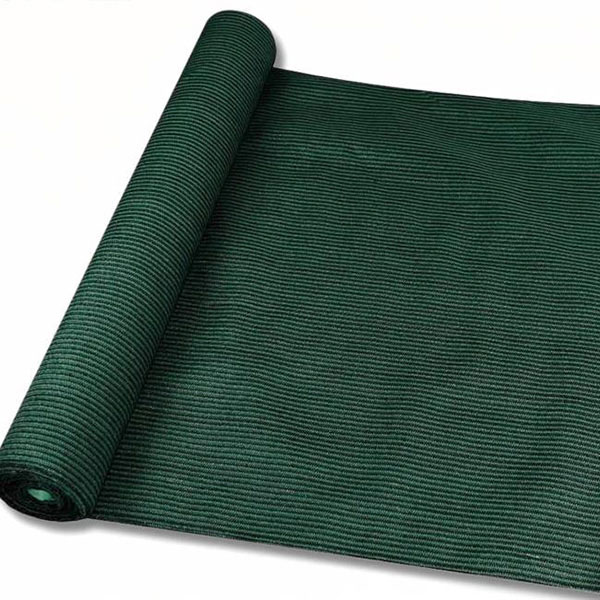
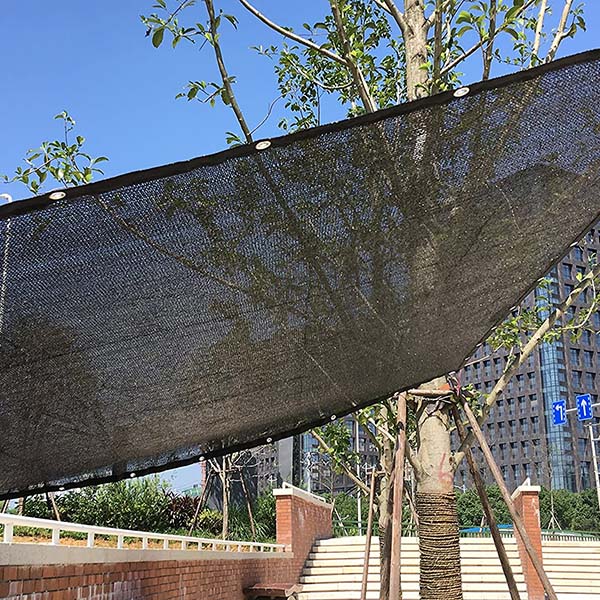
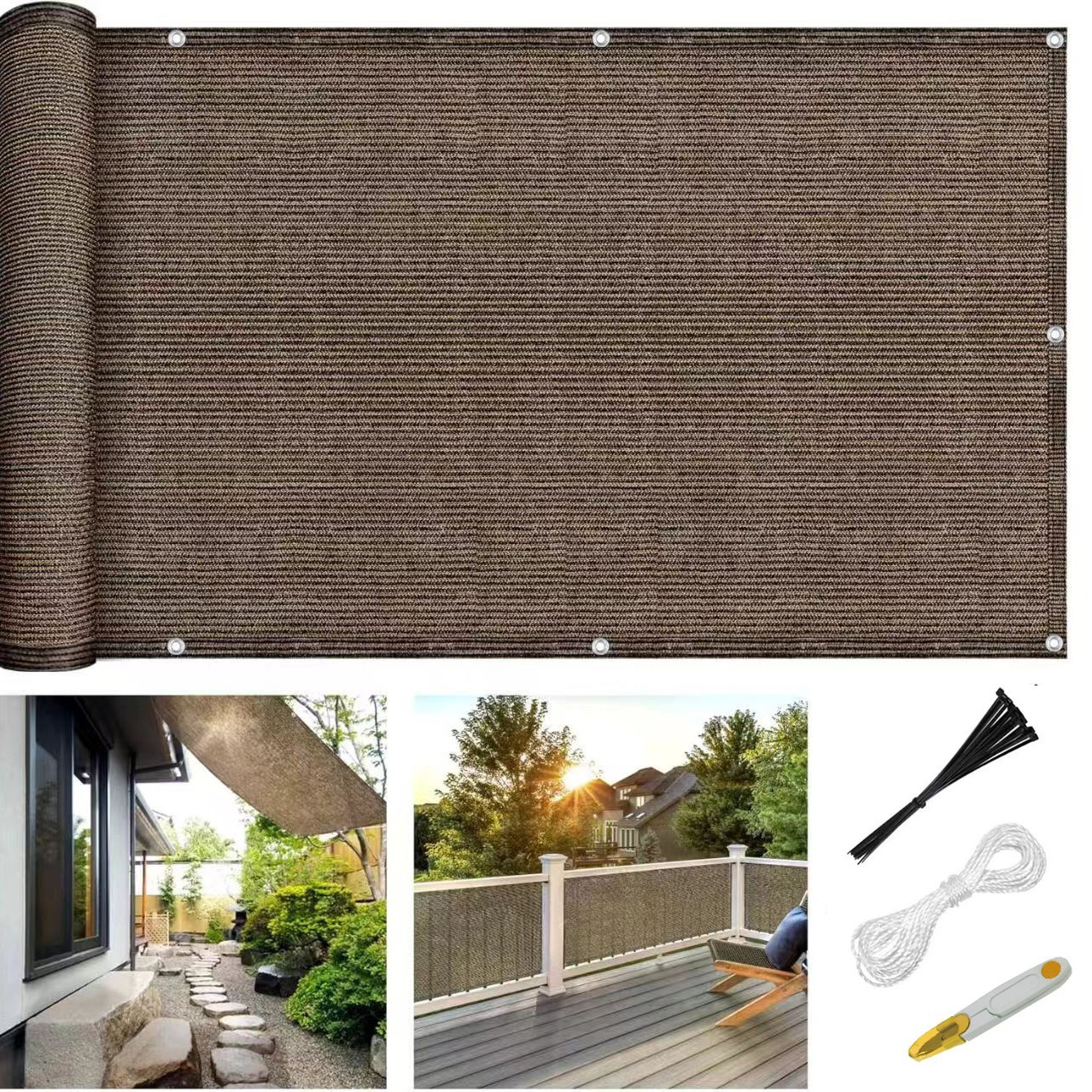
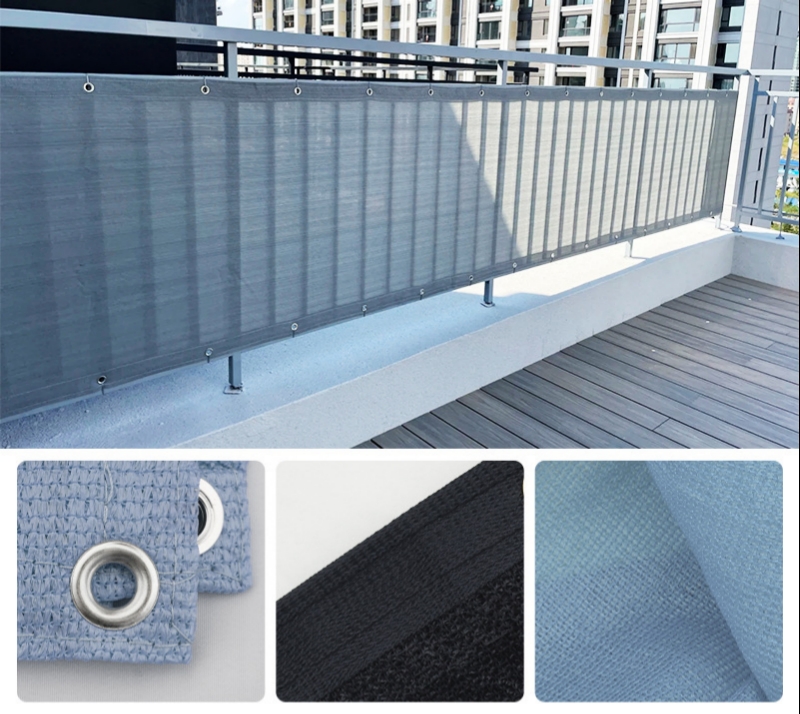
Fabric privacy screens offer flexible solutions for many spaces. People use these screens both indoors and outdoors. Indoors, they divide rooms or create private corners. Outdoors, they shield patios, balconies, and decks from neighbors or street views.
Movable privacy screens work well in rental homes or apartments because they do not require permanent installation. Residents can set up these screens for special events or daily use.
Tip: Movable privacy screens allow users to change layouts quickly. They suit spaces where privacy needs change often.
Fabric Types and Durability
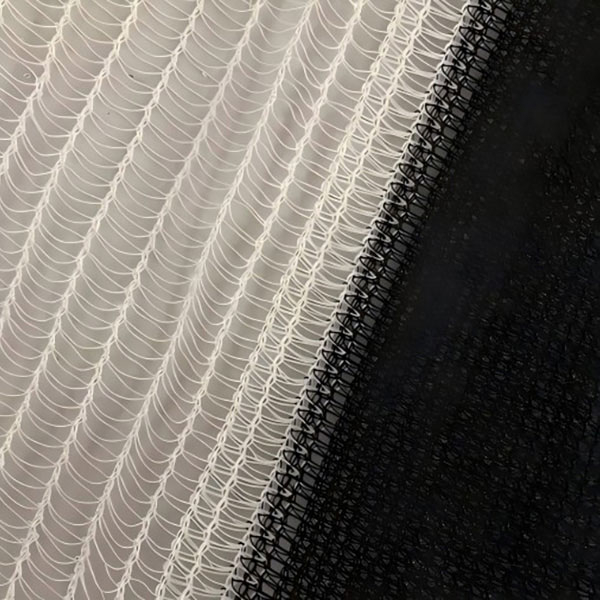
Many types of fabric appear in privacy screens. Common choices include polyester, canvas, and acrylic. Polyester resists fading and dries quickly. Canvas feels sturdy and blocks more light.
Acrylic offers strong color retention and stands up to moisture. Outdoor fabrics often have UV protection and water-repellent coatings. These features help screens last longer outside. Indoor fabrics may use lighter materials for easy movement.
The table below compares popular fabric types for privacy screens:
| Fabric Type | Durability | Best Use | Maintenance |
|---|---|---|---|
| Polyester | High | Outdoor/Indoor | Wipe clean |
| Canvas | Medium | Outdoor | Spot clean |
| Acrylic | High | Outdoor | Mild soap |
Movable privacy screens made from fabric provide temporary privacy. People can fold or roll them for storage. These screens work best on patios, balconies, and decks. They also suit pool areas and garden parties. Users should check for reinforced seams and sturdy frames to ensure long-lasting use.
Choosing the Right Backyard Privacy Screen
Material Selection Guide
Homeowners face many choices when selecting materials for privacy screens. Wood offers a classic look and blends well with natural landscapes.
Vinyl and composite materials provide durability and require little maintenance. Metal screens suit modern designs and withstand harsh weather.
Living screens, such as hedges or bamboo, create a green barrier and support sustainability. Fabric screens work best for temporary solutions and flexible layouts.
Tip: Consider climate and privacy needs before choosing a material. Some materials perform better in wet or sunny environments.
Placement and Sizing
Proper placement ensures privacy screens work effectively. Homeowners should measure the area before purchasing panels. They must check sightlines from neighboring properties and busy streets.
Placing screens near seating areas or patios increases comfort. Taller screens block more views but may require permits. Shorter screens suit decorative purposes and allow light to pass through.
A pergola with privacy elements can combine shade and seclusion. Homeowners often install screens along property lines or around outdoor kitchens.
They should leave enough space for plants or furniture. Measuring twice helps avoid mistakes and saves time during installation.
- Measure the length and height of the area.
- Mark the location for posts or panels.
- Check for underground utilities before digging.
- Plan for access points, such as gates or walkways.
Installation Basics
Installing privacy screens requires planning and the right tools. Many screens come with instructions for assembly.
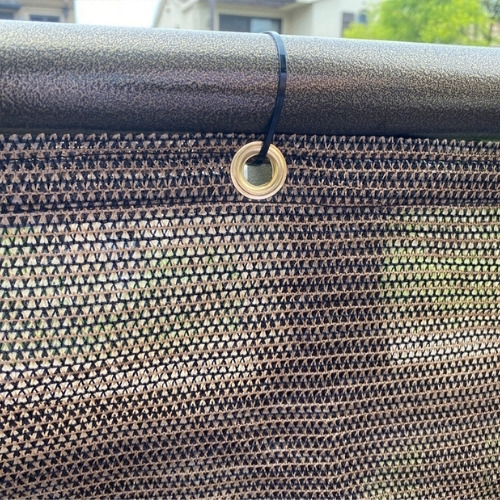
Wood and metal screens often need posts set in concrete. Vinyl and composite panels may use brackets or clips. Fabric screens attach to frames or hang from hooks. Living screens need soil preparation and regular watering.
Some homeowners choose DIY installation to save money. Others hire professionals for complex projects. DIY projects require basic tools, such as a drill, level, and measuring tape. Professional installers ensure screens meet local codes and stand up to weather.
Maintenance and Permits
Regular maintenance keeps privacy screens looking good and working well. Wood screens need staining or sealing every few years.
Vinyl and composite panels require occasional cleaning with soap and water. Metal screens may need rust protection. Living screens need pruning, watering, and pest control. Fabric screens should be stored during harsh weather to extend their lifespan.
Local regulations may affect the installation of privacy screens. Some cities require permits for tall screens or structures near property lines.
Homeowners should check with local authorities before starting a project. Permits help ensure screens meet safety standards and do not block emergency access.
- Inspect screens each season for damage.
- Clean panels to remove dirt and debris.
- Prune plants to maintain shape and density.
- Review local codes for height and placement restrictions.
Choosing the right backyard privacy screen involves careful planning. Homeowners should consider materials, placement, installation, and maintenance. They must also review local rules and decide between DIY and professional help. A well-chosen screen improves privacy, comfort, and the appearance of outdoor spaces.
Conclusion
Privacy screens offer many choices for outdoor privacy and style. Homeowners can select wood, vinyl, metal, living plants, or fabric based on their needs and budget.
They should measure their space and think about how each material fits their design. A practical screen improves comfort and adds beauty to any yard.