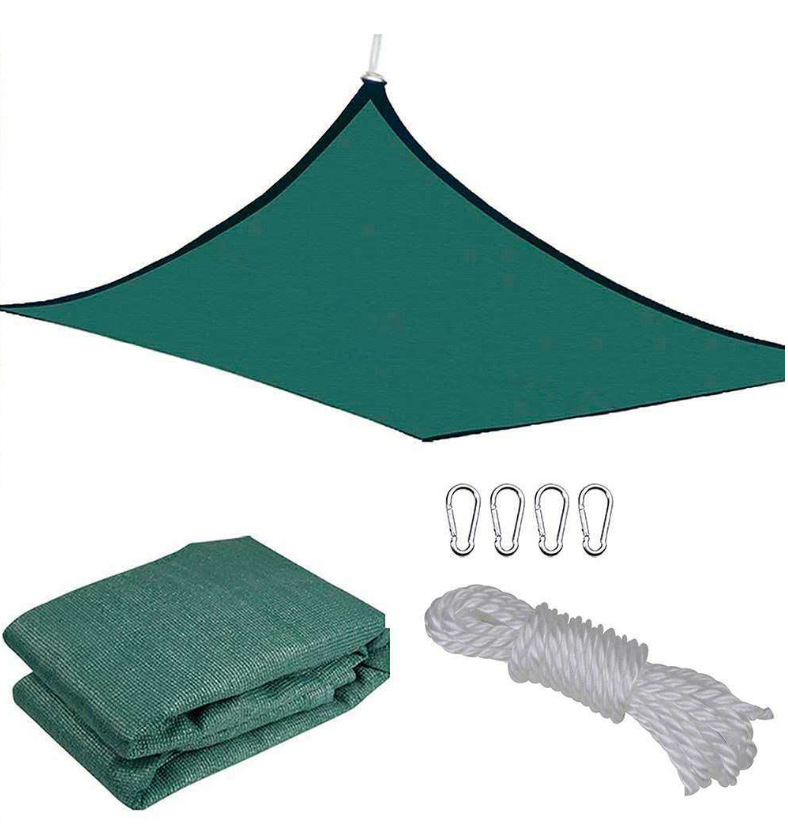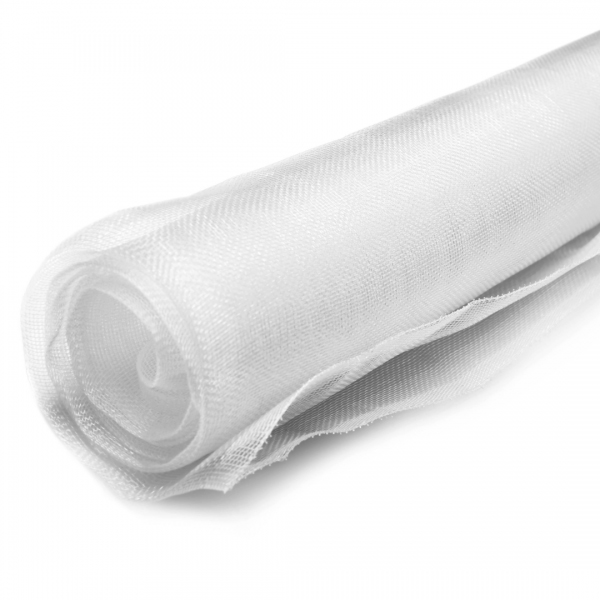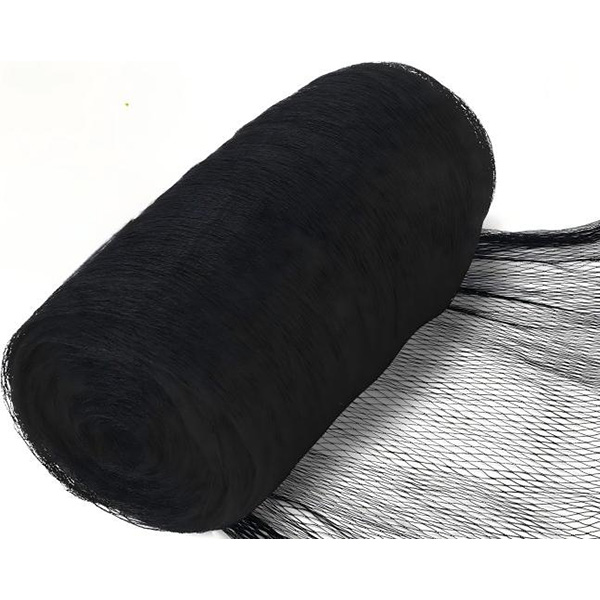
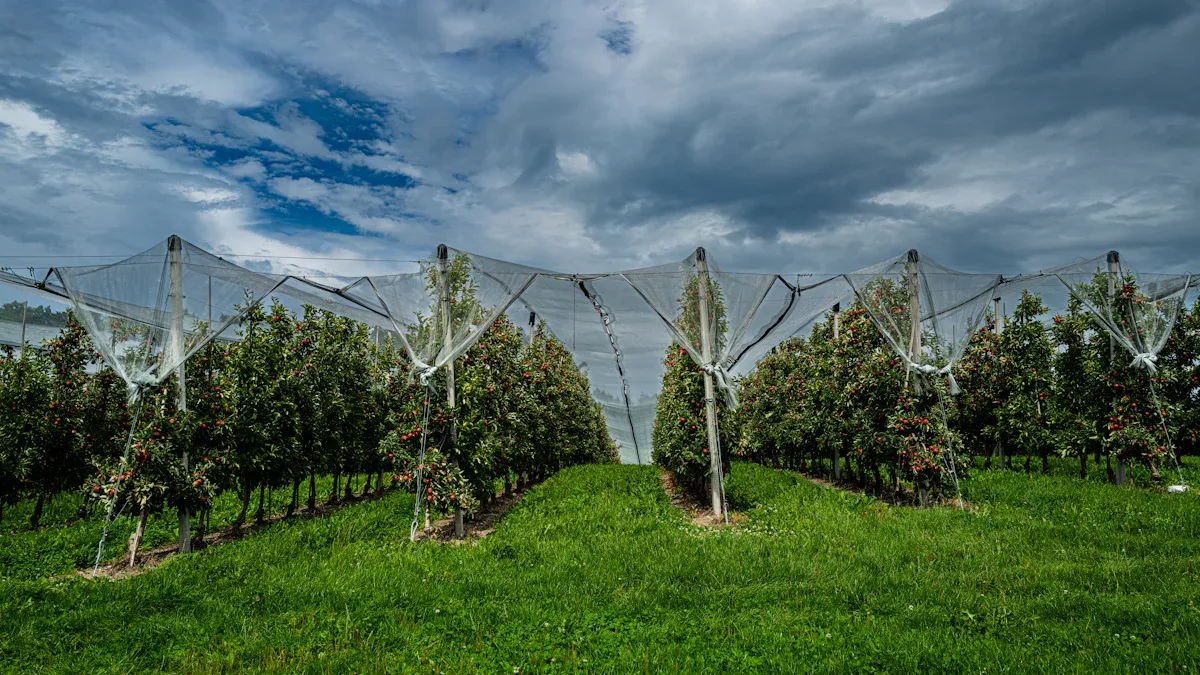
Selecting the right shade cloth for trees depends on several important factors. Shade percentage determines how much sunlight reaches the tree. Material affects breathability and strength.
UV protection keeps leaves safe from sun damage. Durability ensures long-lasting coverage. Size and color influence how well the cloth fits and blends with the surroundings. Shade cloth shields trees from harsh sunlight and cold winds. Gardeners should match these features to their tree type and local climate for best results.
Shade Cloth Benefits for Trees
Sun and Heat Protection
Shade cloth helps trees withstand intense sunlight and high temperatures. It acts as a barrier that reduces the amount of direct sun reaching leaves and branches. This protection prevents leaf scorch and sunburn, which can damage tree health.
Gardeners often use shade cloth to shield young or sensitive trees during the hottest months. Trees under shade cloth experience less water loss because the cloth lowers evaporation rates.
Light Diffusion and Growth
Shade cloth does more than block sunlight. It diffuses light, spreading it evenly across the tree canopy. This process helps trees grow stronger and healthier.
Diffused light encourages balanced photosynthesis, which supports leaf development and fruit production. Trees that receive gentle, filtered light often show improved growth compared to those exposed to harsh, direct rays.
- Balanced light helps prevent uneven growth.
- Diffusion reduces stress on leaves and branches.
- Shade cloth supports optimal conditions for young trees.
Winter Protection
Shade cloth offers valuable protection during cold weather. It acts as a windbreak, reducing the impact of chilly gusts that can dry out or damage tree bark. The cloth also traps some warmth, helping trees avoid frost injury. Gardeners use shade cloth to wrap trees or create barriers against winter winds. This extra layer keeps trees healthier through the dormant season.
Choosing the Right Shade Percentage
Understanding Shade Percentage Ratings
What shade percentage means
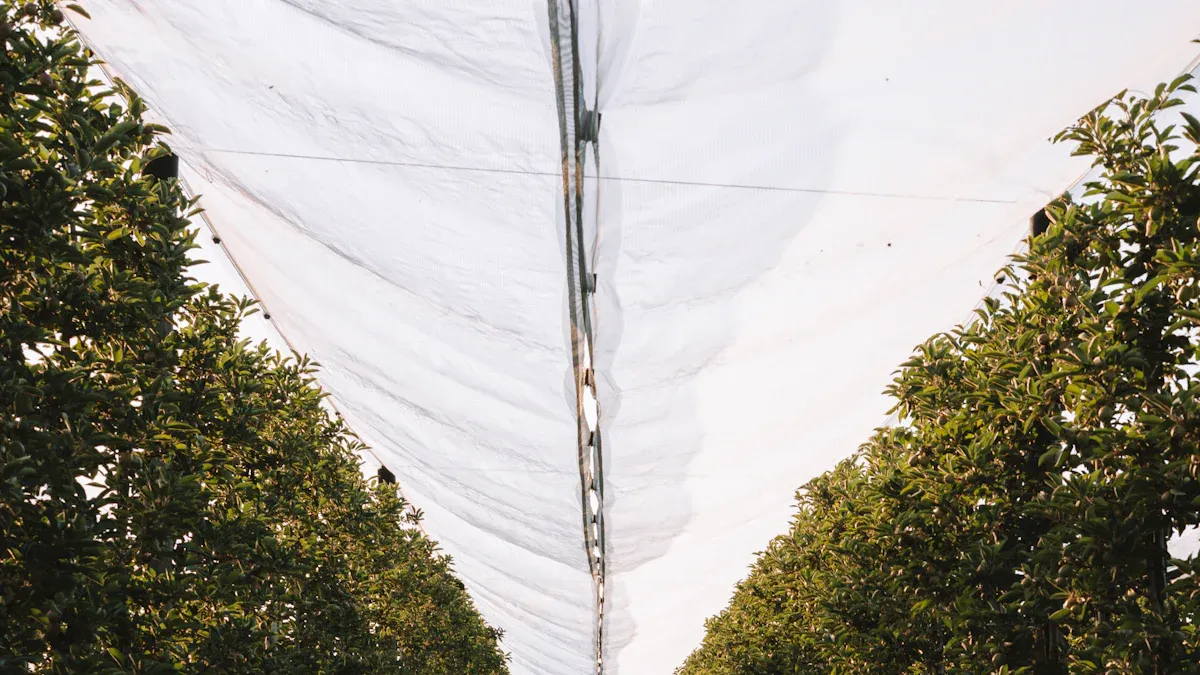
Shade percentage shows how much sunlight the cloth blocks. For example, a 50% shade cloth blocks half of the sunlight, letting the other half reach the tree. This rating appears on product labels and helps gardeners decide how much protection their trees need.
Common shade percentage ranges (30%–90%)
Most shade cloths for trees fall between 30% and 90%. Lower percentages, like 30% or 40%, allow more light and suit sun-loving trees. Higher percentages, such as 70% or 80%, block more light and work best for sensitive or young trees. Some commercial orchards use 50% shade cloth to balance protection and growth.
Factors Influencing Shade Percentage Choice
Tree species and age
Different trees need different amounts of light. Young or newly planted trees often need more protection, so gardeners choose higher shade percentages. Mature trees or sun-loving species, like some citrus or olive trees, can handle lower percentages.
Local climate and sunlight intensity
Regions with strong sunlight or high temperatures require higher shade percentages. In cooler or cloudier areas, trees may thrive with less coverage.
For example, in southern states, a 60% shade cloth often protects fruit trees from sunburn.
Recommended Shade Percentages for Different Trees
Fruit trees
Fruit trees usually benefit from 30% to 50% shade. This range protects fruit from sunscald while allowing enough light for ripening.
Young or newly planted trees
Young trees need extra care. A 60% to 70% shade cloth shields them from harsh sun and helps reduce transplant shock.
Shade-loving vs. sun-loving species
Shade-loving species, such as dogwoods, thrive under 60% to 80% shade. Sun-loving species, like pines, do well with 30% to 40% shade.
Key Factors about Shade Cloth for Trees
Shade Percentage
Shade cloth blocks excessive sunlight and helps prevent scorching on tree leaves and bark. The shade percentage tells how much sunlight the cloth blocks. For example, a 40% shade cloth allows 60% of sunlight to pass through. This balance protects trees from sunburn while still letting them grow.
If gardeners use a cloth with too high a percentage, trees may not get enough light. This can slow growth and weaken the tree. If the percentage is too low, leaves may burn or dry out. Proper selection of shade percentage supports healthy development and reduces stress on trees.
Material Options
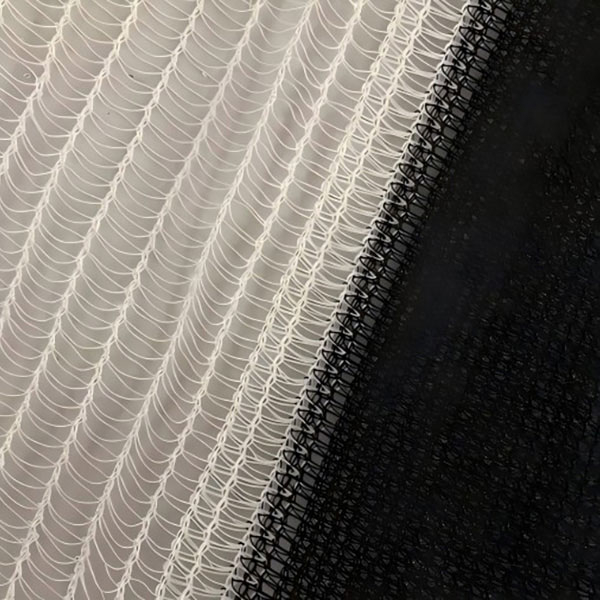
Manufacturers use different materials to make shade cloth. The most common options include knitted polyethylene and woven polypropylene. Knitted polyethylene offers flexibility and resists tearing. It allows air and water to pass through, which helps prevent mold and overheating.
Woven polypropylene provides strong coverage and lasts a long time. It works well in areas with strong winds. Gardeners should choose a material that matches their climate and the needs of their trees. Lightweight materials suit temporary use, while heavier fabrics work best for long-term protection.
UV Protection
Sunlight contains ultraviolet (UV) rays that can damage tree leaves and bark. Shade cloth with UV protection blocks these harmful rays. This feature helps trees avoid sunburn and reduces the risk of leaf scorch.
UV-stabilized cloth lasts longer because it resists breaking down in the sun. Gardeners should look for products that mention UV resistance on the label. This ensures the cloth will protect trees through many seasons.
Size and Coverage
Shade cloth comes in many sizes to fit different trees and planting areas. Gardeners should measure the space they want to cover before buying. The cloth should extend beyond the tree canopy to provide full protection.
Some people use large sheets to cover groups of trees, while others wrap individual trunks or branches. Proper coverage ensures that all parts of the tree receive the benefits of shade and protection.
- Measure the area before purchase.
- Allow extra cloth for securing edges.
- Choose a size that matches the tree’s growth.
Color Impact
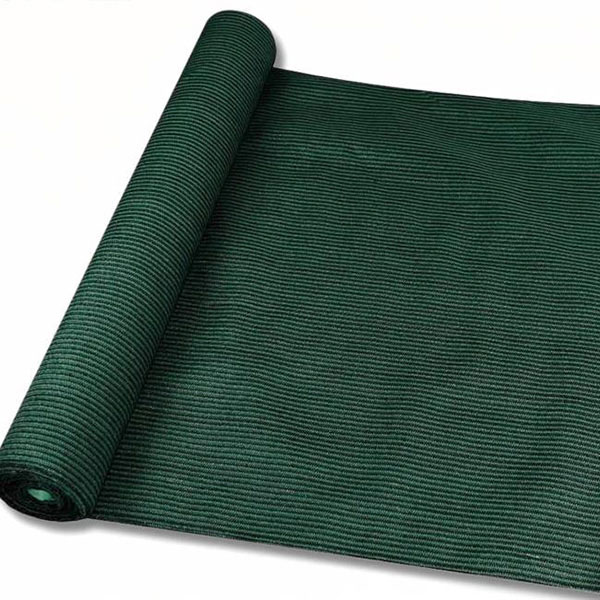
The color of shade cloth affects how much light and heat it absorbs or reflects. Dark colors, such as black or green, absorb more heat and block more light. These colors work well in hot, sunny areas.
Light colors, such as white or silver, reflect sunlight and keep the area cooler. They allow more light to reach the tree. Gardeners should select a color based on their climate and the needs of their trees. The right color helps balance temperature and light for healthy growth.
Shade Cloth for Tree Types
Young Trees
Young trees need extra care during their early years. Their roots have not spread far, and their leaves can burn easily. Gardeners often select a higher shade percentage for these trees.
A cloth that blocks 60% to 70% of sunlight works well. This level of protection helps reduce transplant shock and prevents sunburn. Young trees also lose water quickly. Shade cloth helps keep the soil moist and cool. Gardeners should check young trees often to make sure they receive enough light for healthy growth.
Mature Trees
Mature trees have strong roots and thick bark. They can handle more sunlight than young trees. Most mature trees grow best with a lower shade percentage.
A cloth that blocks 30% to 50% of sunlight usually provides enough protection. This allows plenty of light for photosynthesis while reducing the risk of leaf scorch. Gardeners should adjust the coverage based on the tree’s species and the local climate. In very hot areas, even mature trees may need extra shade during heat waves.
Sensitive Species
Some tree species do not tolerate strong sunlight or sudden temperature changes. These sensitive trees include dogwoods, Japanese maples, and some evergreens.
They often need a higher level of protection. A shade cloth with a 60% to 80% rating helps prevent leaf burn and stress. Gardeners should monitor these trees closely, especially during extreme weather. Adjusting the cloth as seasons change can keep sensitive species healthy all year.
Installation and Maintenance Tips
Placement
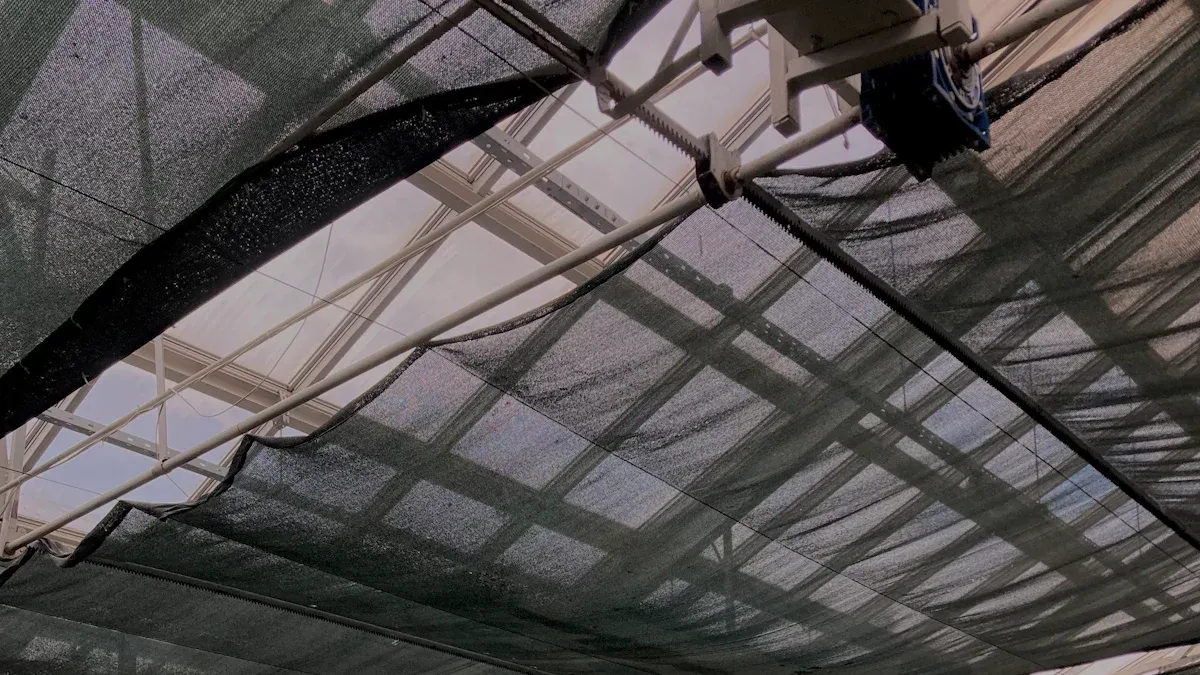
Gardeners should position shade cloth to cover the entire tree canopy. The cloth must extend beyond the outer branches to shield all leaves and bark. For winter protection, they can wrap the cloth around the trunk and lower branches.
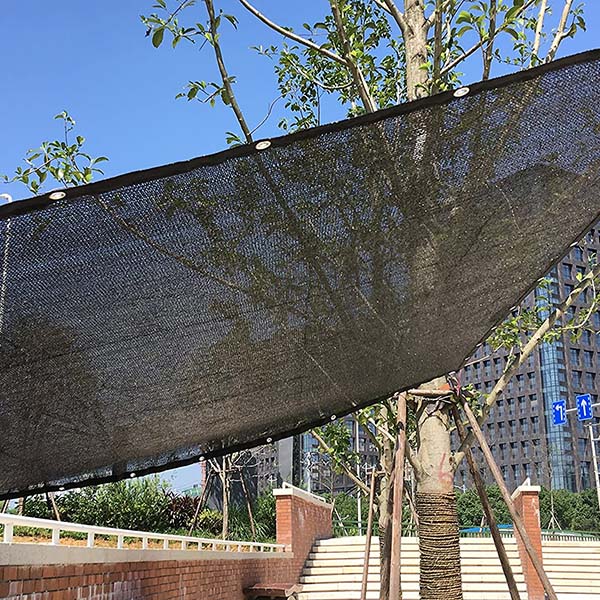
This method helps block cold winds and traps warmth near the tree. In hot climates, gardeners often suspend the cloth above the canopy to allow air movement and prevent overheating.
Securing Methods
Strong winds can loosen or tear shade cloth if not secured well. Gardeners use ropes, zip ties, or garden clips to fasten the cloth to stakes or support structures. They should anchor the edges firmly to the ground or nearby posts.
For wrapping, they can spiral the cloth gently around the trunk, making sure not to pull too tightly. This prevents damage to the bark and allows for growth. When covering groups of trees, they may use a frame or hoops to hold the cloth above the plants.
- Check all fastenings after storms.
- Adjust the cloth as trees grow.
Conclusion
Tree shade cloth solutions play an important role in modern nursery and orchard management. By controlling sunlight, reducing heat stress, and improving growing conditions, shade cloth helps protect trees during critical development stages.
For commercial growers, selecting the right solution requires consideration of tree type, climate conditions, shade percentage, and material quality. High-quality UV-stabilized HDPE shade cloth provides durable and effective protection for professional agricultural applications.
Looking for reliable shade cloth solutions for trees?
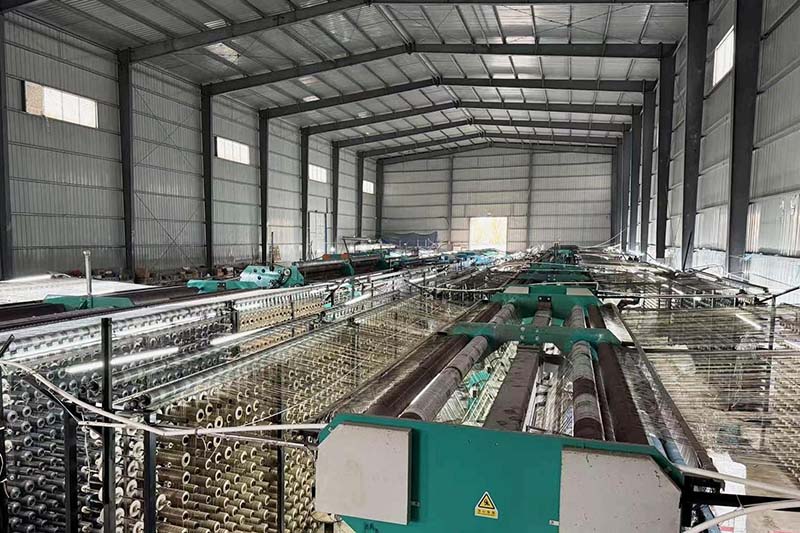
AgriShade provides high-quality shade nets for nurseries, orchards, and commercial tree growers. With UV-stabilized HDPE materials, customized shade rates, and OEM solutions, we help protect trees from heat stress and improve growing conditions. Contact us today for a tailored shade net solution.