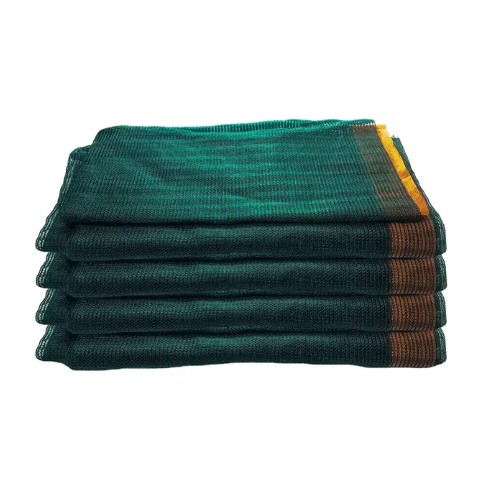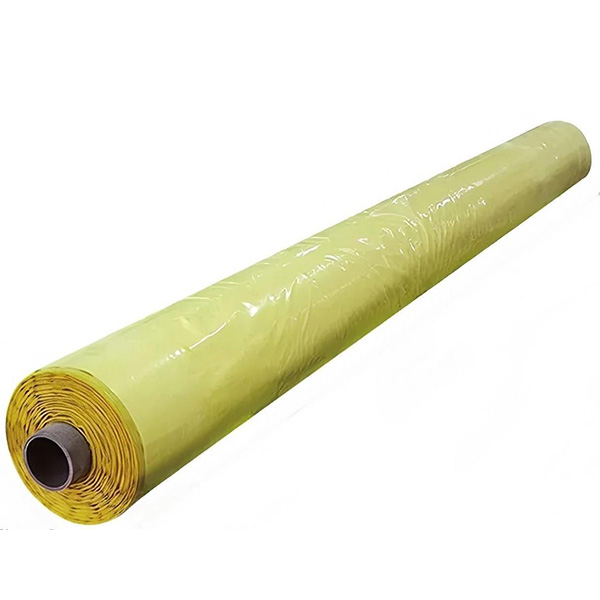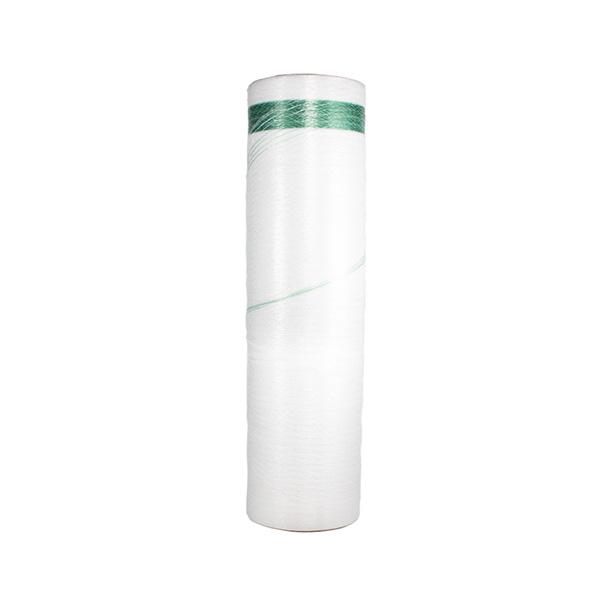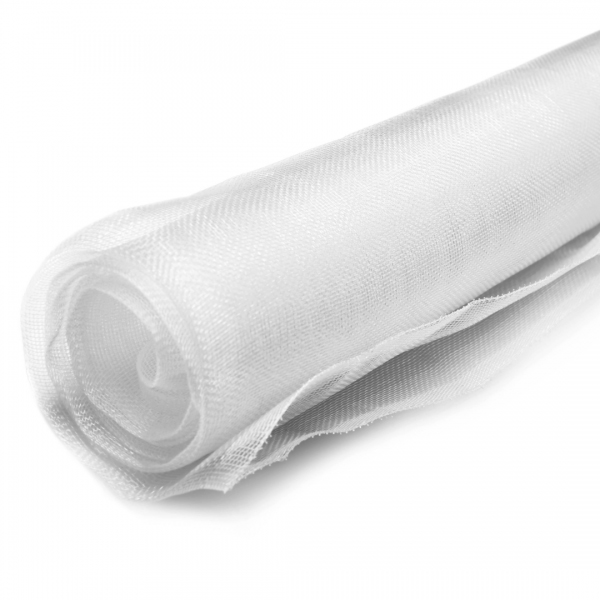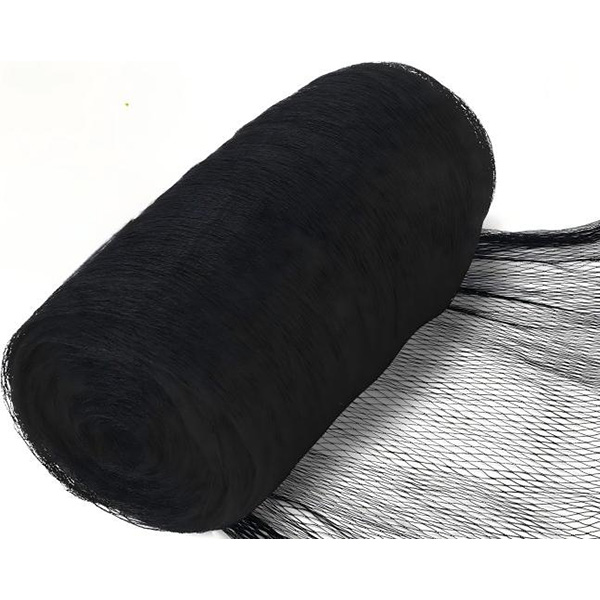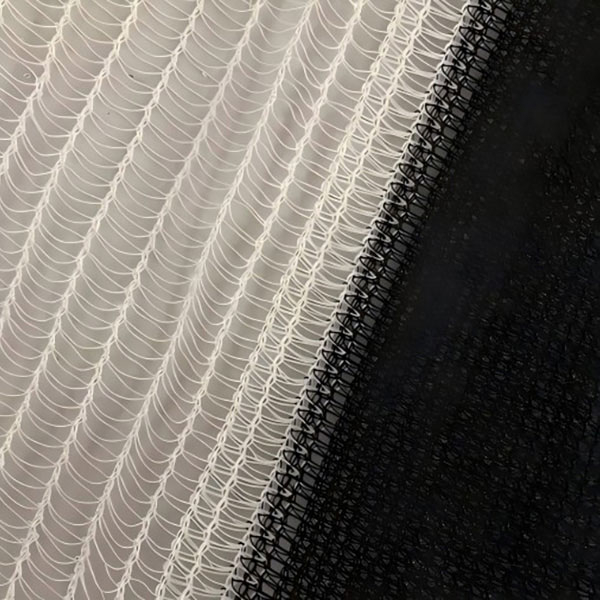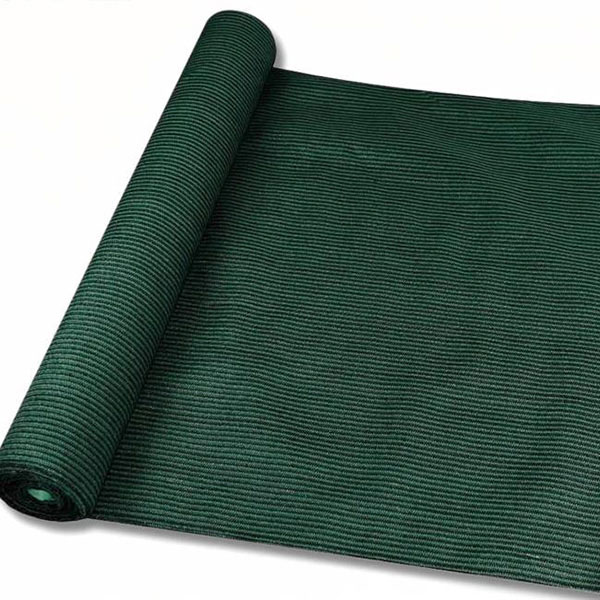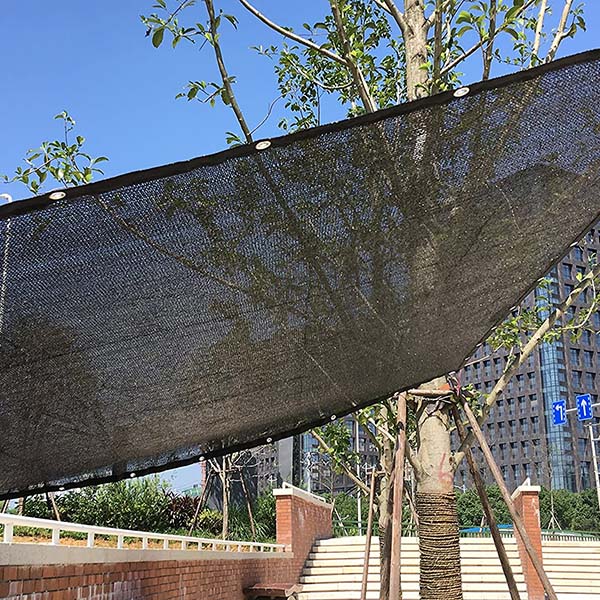
Farmers today rely on four main types of agricultural nets to protect their crops:
- shade nets
- insect nets
- bird nets (fruit tree netting)
- hail protection nets
These tools help reduce crop loss, improve yield, and lower costs. Each net type offers unique advantages for different crops and climates.
Shade Nets in Agriculture
What Are Shade Nets?
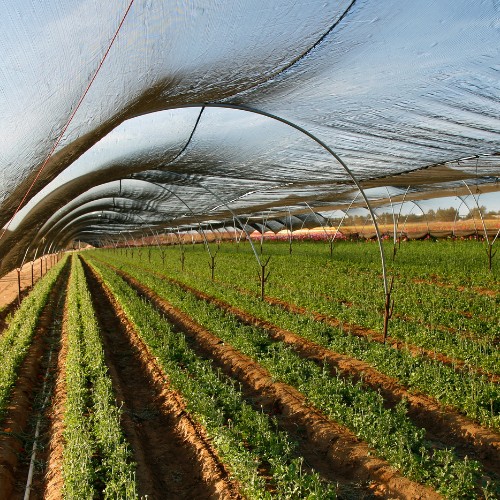
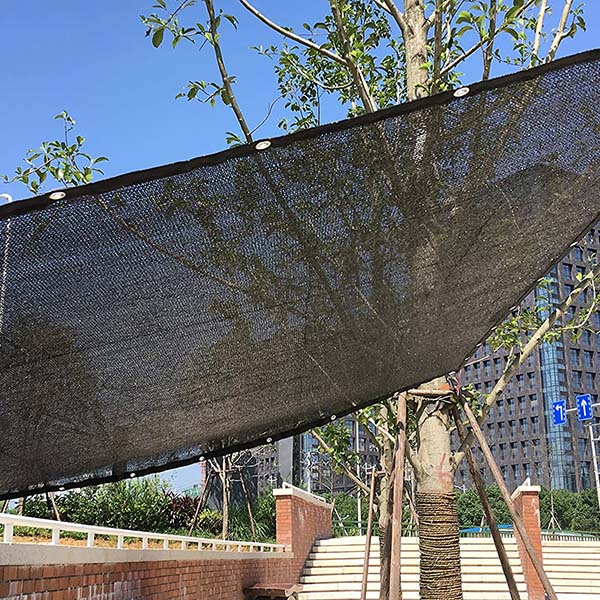
Shade nets are woven or knitted fabrics designed to control sunlight exposure for crops. Farmers use shade cloth to create a cooler environment, which helps prevent heat stress and sunburn. Shade nets also offer protection for plants from wind, birds, and even light rain. The main goal is to support the healthy growth of crops by managing temperature and light.
Types of Shade Nets
There are several types of shade nets available for modern agriculture. The most common types of shade nets include:
- Monofilament shade nets: These nets use single, strong threads. They provide high tensile strength and excellent resistance to tearing.
- Knitted shade nets: These nets are flexible and lightweight. They offer good resistance and are easy to install.
- HDPE shade nets: Made from high-density polyethylene, these nets deliver a high level of durability and resistance to UV rays.
- Aluminet shade nets: These reflective nets help with heat reduction and uv protection. They are ideal for greenhouse shade netting and areas with intense sunlight.
- Multi-filament shade nets: These nets use multiple threads for extra strength and resistance.
The table below summarizes the main types of shade nets and their features:
| Type | Strength | Resistance | Best Use |
|---|---|---|---|
| Monofilament shade nets | High | Tearing, UV | Open fields, greenhouses |
| Knitted shade nets | Moderate | Weather, UV | Greenhouse shade netting |
| HDPE shade nets | High | UV, tearing | Shade net for greenhouse |
| Aluminet shade nets | Moderate | Heat, UV | Greenhouse shade netting |
| Multi-filament shade nets | High | Tearing, weather | Standard shade nets, open areas |
Main Uses and Benefits
Shade cloth is essential for many crops. It provides uniform coverage and helps maintain the right temperature. Greenhouse shade netting reduces heat and protects delicate plants. Shade nets also lower water evaporation, which saves costs.
Aluminet shade nets are popular for their heat reduction and uv protection. Shade netting improves the strength and resistance of crop protection systems. Farmers use shade cloth to ensure a high level of durability and resistance to tearing.
Practical Considerations
When choosing a shade net, consider the shade percentage, which ranges from 30% to 90%. Select the right type based on crop needs and climate. Look for shade cloth with high tensile strength and resistance to tearing. Installation should allow for easy adjustment and maintenance.
Coverage and resistance are key for long-term use. Greenhouse shade netting requires careful planning for maximum protection. Always match the shade net to the specific needs of your crops and growing environment.
Insect Nets for Pest Control
What Are Insect Nets?
Insect nets are fine mesh fabrics designed to keep harmful insects away from crops. These nets act as a physical barrier, stopping pests from reaching plants. Farmers use insect nets to protect vegetables, fruits, and flowers.
The mesh size blocks insects like aphids, whiteflies, and moths. Insect nets help reduce the need for chemical sprays. Many growers choose pest control nets to create a safer environment for their crops.
Main Uses in Farming
Farmers use insect nets for many types of crops. These nets work well for tomatoes, peppers, cucumbers, and leafy greens. Fruit crops such as strawberries and grapes also benefit from insect netting.
Flower growers use insect nets to protect delicate blooms. Insect nets are important for organic farming, where chemical use is limited. The nets cover greenhouses, tunnels, and open fields. Farmers can use insect nets for both small and large crop areas.
Tip: Choose the right mesh size for your crops. Smaller mesh blocks tiny insects, while larger mesh allows better airflow.
Benefits for Pest Management
Insect nets offer several advantages for pest control. They lower the risk of pest damage and help maintain healthy crops. Farmers can reduce pesticide use, which saves money and protects the environment.
Insect nets keep crops clean and free from insect residues. The nets also help prevent the spread of plant diseases carried by insects. Using insect nets leads to higher yields and better quality produce.
Practical Considerations
Proper installation is key for insect nets. Secure the nets tightly around crops to prevent gaps. Use stakes or frames to support the nets over plants. Regularly check for tears or holes and repair them quickly.
Clean the nets to remove dust and debris. Store insect nets in a dry place when not in use. Farmers should select nets based on crop type, mesh size, and climate. Good maintenance ensures long-lasting protection for crops.
| Crop Type | Recommended Mesh Size | Installation Method |
|---|---|---|
| Tomatoes | 0.8-1.0 mm | Tunnel or row cover |
| Leafy Greens | 0.4-0.8 mm | Greenhouse cover |
| Strawberries | 0.8-1.2 mm | Field netting |
| Peppers | 0.8-1.0 mm | Tunnel or row cover |
Bird Nets and Fruit Tree Netting
What Are Bird Nets?
Bird nets are protective mesh barriers that stop birds from reaching crops. Farmers use these nets to cover fruit trees, berry bushes, and vegetable rows. Bird nets create a physical shield that keeps birds from eating or damaging fruit.
Many growers rely on bird nets to reduce crop loss during the ripening season. These nets help maintain the quality and quantity of harvested produce.
Fruit Tree Netting and Fruit Tree Nets
Fruit tree netting refers to specialized bird nets made for fruit trees. Fruit tree nets come in different sizes and mesh patterns. Some fruit tree nets cover single trees, while others protect entire orchard rows. Fruit tree nets often use lightweight, UV-resistant materials.
The design of fruit tree nets allows sunlight and rain to reach the plants. Fruit tree nets also provide airflow, which helps prevent mold and disease. Many farmers choose fruit tree nets for their easy installation and removal.
Main Uses and Benefits
Fruit tree nets protect apples, cherries, peaches, and other fruits from bird attacks. These nets also work for grapes and berries. Fruit tree nets help reduce the need for scare devices or chemical repellents.
By using fruit tree nets, farmers can improve fruit quality and increase yields. Fruit tree nets also lower the risk of bird-borne diseases. Some growers use fruit tree netting to shield crops from wind and hail. Fruit tree nets are reusable and last for several seasons.
Tip: Fruit tree nets can also help protect young trees from deer and other animals.
Practical Considerations
Selecting the right fruit tree nets depends on orchard size and tree type. For small orchards, individual fruit tree nets fit over single trees. Large orchards may need row covers or drape-over fruit tree nets. Mesh size matters; smaller mesh blocks more birds but allows less airflow.
Fruit tree nets should be easy to install and remove for harvest. Farmers should check fruit tree nets for holes or damage before each season. Storing fruit tree nets in a dry place extends their lifespan. Anti-bird netting is another term for these protective barriers.
| Orchard Type | Recommended Net Type | Mesh Size |
|---|---|---|
| Small backyard | Individual fruit tree nets | 15-20 mm |
| Large commercial | Row fruit tree nets | 20-30 mm |
| Vineyards | Drape-over fruit tree nets | 15-20 mm |
Hail Protection Agricultural Nets
What Are Hail Nets?
Hail nets are strong, woven or knitted mesh fabrics designed to shield crops from hailstones. Farmers use these nets in areas where hailstorms often damage plants. Hail protection nets act as a barrier that absorbs the impact of falling hail.
The mesh allows sunlight, air, and rain to reach the crops while blocking hail. These nets help protect fruit trees, vineyards, and vegetable fields from sudden weather events.
Note: Hail nets are especially important in regions with unpredictable weather patterns.
Main Uses and Benefits
Hail protection nets serve several key purposes in agriculture:
- Prevent physical damage to crops from hailstones.
- Reduce crop loss and maintain fruit quality.
- Lower the risk of bruising and scarring on fruits and vegetables.
- Protect young plants and delicate blossoms during critical growth stages.
Farmers who use hail nets often see higher yields and better-looking produce. The nets also help reduce the need for replanting after storms. Hail nets can extend the growing season by providing extra security during peak hail months.
| Crop Type | Benefit of Hail Nets |
|---|---|
| Apples | Prevents bruising and loss |
| Grapes | Maintains cluster quality |
| Tomatoes | Shields from direct impact |
| Peppers | Reduces plant breakage |
Practical Considerations
When choosing hail nets, farmers should consider the mesh size and material strength. The net must be strong enough to withstand repeated hail impacts. Installation usually involves stretching the net over support structures such as poles or wires. Proper tension keeps the net in place during storms. Regular inspection helps spot any tears or weak spots.
Cost depends on the area covered and the type of net used. While the initial investment can be high, the long-term savings from reduced crop loss often outweigh the cost. Farmers should plan for easy removal and storage during the off-season to extend the net’s lifespan.
Tip: Secure all edges of the net to prevent wind from lifting it during storms.
Comparing Types of Agricultural Nets
Quick Comparison Table
Choosing the right agricultural nets can make a big difference in crop protection and yield. The table below compares the four main types of agricultural nets used in modern farming. Each type serves a specific purpose and offers unique benefits.
| Net Type | Main Purpose | Best For | Key Features | Typical Use |
|---|---|---|---|---|
| Shade nets | Control sunlight, reduce heat | Vegetables, flowers, nurseries | Varying shade levels, UV resistance | Greenhouses, open fields |
| Insect nets | Block insects, reduce pests | Vegetables, fruits, flowers | Fine mesh, airflow, pest barrier | Greenhouses, tunnels |
| Bird/fruit tree nets | Prevent bird damage | Fruit trees, berries, vineyards | Lightweight, easy to install | Orchards, vineyards |
| Hail protection nets | Shield from hailstones | Fruit trees, grapes, vegetables | Strong mesh, weather resistant | Hail-prone regions |
Tip: Always match the net type to your crop and local climate for the best results.
How to Choose the Right Net
Selecting the best agricultural nets depends on several factors. Here is a simple guide to help you decide:
- Identify Your Main Challenge
If your crops suffer from too much sun, shade nets or shade cloth are ideal. For pest problems, insect nets work best. Bird nets or fruit tree netting protect against birds. Hail protection nets are necessary in areas with frequent hail. - Consider Crop Type and Growth Stage
Shade nets and shade netting suit leafy greens and flowers. Insect nets help with vegetables and fruits. Bird nets and fruit tree netting are perfect for orchards and vineyards. Hail nets protect young and mature plants. - Check Climate and Weather Patterns
Use shade nets or shade netting in hot, sunny climates. Insect nets are useful in regions with high pest pressure. Bird nets and fruit tree netting are important where birds are common. Hail nets are best in storm-prone areas. - Evaluate Installation and Maintenance Needs
Shade nets and shade netting are easy to install and adjust. Insect nets need secure fitting. Bird nets and fruit tree netting should be easy to remove for harvest. Hail nets require strong support. - Review Cost and Durability
Shade nets and shade netting offer long-term value. Insect nets and bird nets last several seasons. Hail nets may cost more but prevent major losses.
Remember: The right agricultural nets can protect your investment and improve your harvest.
Conclusion
Selecting the right agricultural net protects crops and increases yield. Each net type offers unique benefits for different farming challenges. Shade nets manage sunlight, insect nets block pests, bird nets guard fruit, and hail nets shield against storms.
Checklist for choosing agricultural nets:
- Identify crop type and main threat.
- Match net features to climate.
- Consider farm size and installation needs.
- Review durability and cost.
Assess your farm’s specific needs before making a decision. The right net improves harvest and saves resources.