Scaffold debris nets are a crucial part of any construction project, ensuring safety for workers, pedestrians, and property around construction sites. But with so many options available, how do you choose the right net?
One of the most important factors is the net weight, often specified as 100 g/m² or 150 g/m². In this guide, we’ll break down everything you need to know about these heavy-duty nets, helping you make an informed decision for your project.
What Is Scaffold Debris Netting?
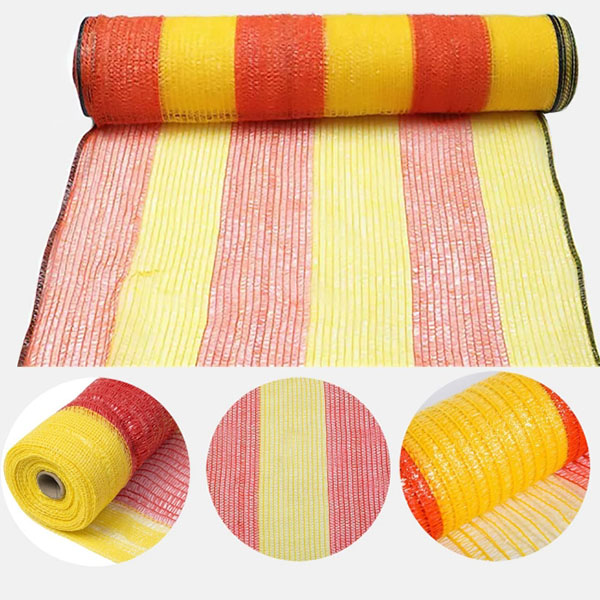
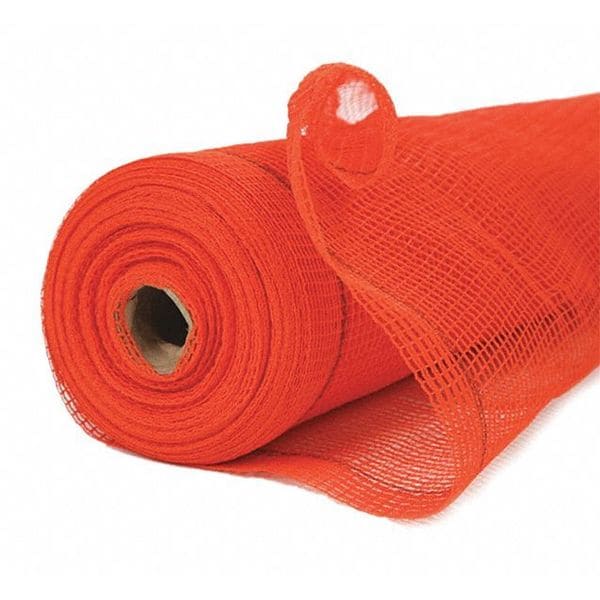
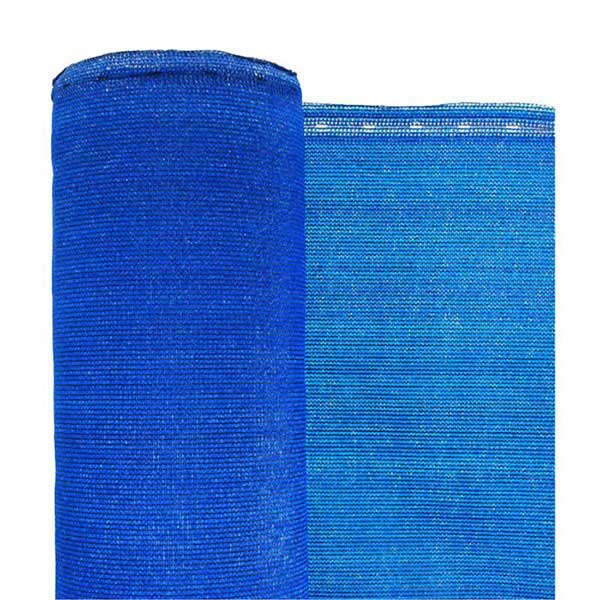
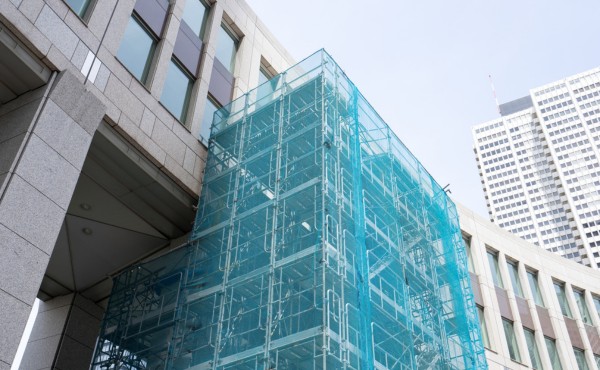
Scaffold debris netting is a protective mesh used on scaffolding to contain debris, prevent tools from falling, and reduce the risk of accidents. Made typically from high-density polyethylene (HDPE), these nets can withstand harsh outdoor conditions and are often treated for UV resistance and flame retardancy.
They are indispensable in both commercial and residential construction, especially in areas where debris could cause injury or property damage.
The primary purposes of debris nets include:
- Containing dust, rubble, and tools
- Protecting workers from accidental falls of debris
- Enhancing site safety and compliance with safety standards
- Reducing risk to pedestrians and nearby property
Understanding the weight of the net, measured in grams per square meter (g/m²), is essential for choosing the right option.
Understanding Net Weight: 100 g/m² vs 150 g/m²
Net weight determines the density, strength, and durability of the net. A higher g/m² means thicker fibers and a denser weave, translating to higher tear resistance and better debris containment.
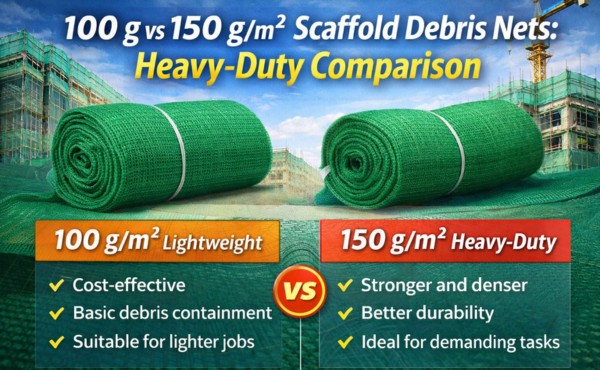
- 100 g/m² nets: Lighter, easier to handle, suitable for standard construction sites with minimal debris.
- 150 g/m² nets:Heavier, stronger, ideal for high-rise or heavy-duty projects where debris and wind resistance are a priority.
The weight of the net also affects installation ease, wind load on scaffolding, and overall longevity. Choosing the right weight ensures safety without unnecessary costs.
Side-by-Side Technical Comparison
| Feature | 100 g/m² Debris Nets | 150 g/m² Debris Nets |
| Material weight & density | Lightweight, ~100 g/m² | Heavier, ~150 g/m² |
| Durability & tear resistance | Standard protection | High durability, less likely to tear |
| Wind & debris blocking | Moderate | Excellent, blocks more debris |
| Flexibility & handling | Easy to handle, quick to install | Slightly bulkier, needs more effort |
| Typical use cases | Low to mid-rise projects | High-rise, heavy debris zones |
| UV & flame resistance | Standard treatment | Enhanced for longer lifespan |
This comparison highlights that net weight directly influences performance, and selecting the right weight is critical to project safety.
Performance Benefits of Each Weight Class
100 g/m² Scaffold Debris Nets
100 g/m² nets are perfect for standard construction projects where debris load is moderate. Benefits include:
- Ease of installation: Lightweight nets are easier to maneuver and install, saving time and labor costs.
- Cost-effective: Lower material cost while still providing sufficient protection for typical projects.
- Flexible handling:Can be adjusted easily around complex scaffolding setups.
- Suitable for short-term projects:Ideal for smaller jobs where longevity is less critical.
These nets are commonly used for residential renovations, low-rise building works, and areas with minimal wind exposure.
150 g/m² Scaffold Debris Nets
150 g/m² nets are designed for heavy-duty applications, providing enhanced protection in demanding conditions. Key benefits include:
- Superior debris containment: Denser weave stops larger debris and minimizes risk of objects escaping the net.
- Better wind resistance:Heavyweight nets can withstand stronger gusts, preventing scaffolding strain or damage.
- Longer lifespan: More durable material means less frequent replacements, reducing long-term costs.
- Compliance with high-risk zones:Often required for high-rise construction sites or areas near busy streets.
These nets are ideal for commercial buildings, high-rise construction, and projects with high debris or heavy materials.
How to Choose the Right Net Weight
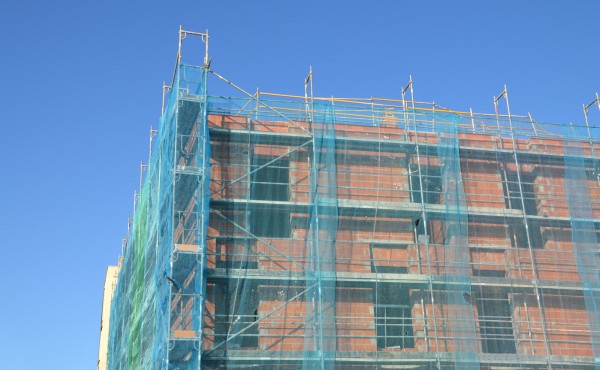
Selecting between 100 g/m² and 150 g/m² nets depends on several key factors:
Project Scale
- Low-rise buildings: 100 g/m² is usually sufficient
- High-rise or heavy-duty projects: 150 g/m² recommended
Debris Type and Volume
- Light debris like dust or small rubble: 100 g/m²
- Heavy tools, bricks, or large debris: 150 g/m²
Wind Exposure
- Low wind zones: lighter nets can perform well
- High-wind areas: heavier nets provide better stability
Safety and Compliance
- Check local regulations and safety standards; heavier nets often meet stricter codes
- Ensure UV and flame retardant treatment is compliant
Budget & Lifecycle
- 100 g/m² nets are cheaper initially but may wear out faster
- 150 g/m² nets have a higher upfront cost but last longer, reducing replacement expenses
Safety Standards & Compliance Considerations
Scaffold debris nets must comply with industry safety standards, including:
- Reinforced borders and eyelets for secure fastening
- UV-treated material to prevent degradation under sunlight
- Flame retardancy for fire-prone areas
- Tensile strength standards to ensure debris containment
Adhering to these standards protects workers, pedestrians, and contractors from legal liabilities while ensuring project efficiency.
Installation Tips for Debris Nets
Proper installation is crucial for maximum safety and effectiveness:
- Secure nets using cable ties or reinforced eyelets to scaffold poles
- Maintain even tension across all sections to prevent sagging
- Overlap nets if needed to cover all exposed areas
- Inspect periodically for wear and tear, especially after storms or heavy debris
These simple practices improve net performance and extend lifespan.
Cost vs Value Analysis
| Aspect | 100 g/m² Net | 150 g/m² Net |
| Initial cost | Lower | Higher |
| Replacement frequency | More frequent | Less frequent |
| Durability | Moderate | High |
| Long-term value | Adequate for small projects | High, cost-effective for heavy-duty |
While 150 g/m² nets have a higher upfront cost, their long-term durability and improved safety make them a better investment for large-scale or high-risk projects.
Real-World Applications & Use Cases
Construction Sites
High-rise buildings
Bridge and infrastructure projects
Areas with frequent heavy debris
Renovation & Façade Work
Protect pedestrians and nearby properties
Contain rubble from façade work
Public Safety Zones
Busy urban streets or high-traffic zones
Outdoor events requiring temporary scaffolding
FAQs
1: Is 100 g/m² scaffold netting strong enough for heavy debris?
For standard debris, yes. For large, heavy objects, 150 g/m² is safer.
2: Can I reuse scaffold netting between projects?
Yes, especially if the net is well-maintained. Heavier nets typically last longer and are more reusable.
3: Does net weight affect wind load on scaffolding?
Absolutely. Heavier nets reduce wind penetration but may increase tension on scaffold poles, so secure installation is critical.
Conclusion
Choosing the right scaffold debris net is a balance between cost, safety, and project requirements.
- 100 g/m² nets: Lightweight, easy to handle, cost-effective for smaller, low-risk projects.
- 150 g/m² nets: Durable, high-performance, suitable for heavy-duty and high-risk applications.
Prioritize safety compliance, wind and debris protection, and installation quality. Investing in the right net not only safeguards your project but also reduces long-term costs and liability.
Partner With AgriShade Today
Ensure your construction site is safe, compliant, and efficient. Request a quote for 100 g/m² and 150 g/m² scaffold debris nets today, or consult AgriShade experts to select the right net for your project.